Getting Started: Your First Ride on the Greenway
Essential preparation tips for seniors beginning their cycling journey. We'll cover what to bring, how to check your bike, and what to expect on your first outing.
Start with 10 kilometres and gradually extend your range. We'll show you how to structure weekly rides that build strength without overdoing it.
Endurance isn't about speed — it's about how far you can ride comfortably. Building it takes time, but the rewards are worth it. You'll find yourself exploring more of the Royal Canal, tackling longer weekend rides, and actually enjoying the journey instead of dreading the distance.
The key is gradual progression. We don't jump from 10km to 40km in a week. Instead, you'll follow a structured plan that increases distance by about 10% each week, giving your body time to adapt. This approach prevents injury and keeps cycling fun rather than exhausting.
Increase your longest weekly ride by no more than 10% each week. This gives your legs, joints, and cardiovascular system time to adapt without strain.
Most people who cycle casually can manage 10-15 kilometres without much effort. If that's you, that's your starting point. Don't be embarrassed — everyone starts somewhere.
Ride your usual distance and note how you feel. No heart rate monitor needed — just pay attention to how hard you're breathing and whether your legs feel fresh or tired at the end.
Ride three times per week. Two shorter rides (your baseline distance) and one longer ride that extends your range. Rest days between rides let your body recover and actually get stronger.
Keep a simple log. Date, distance, how you felt, any aches. This doesn't need to be fancy — a notebook works fine. You'll see patterns emerge and spot when you're pushing too hard.

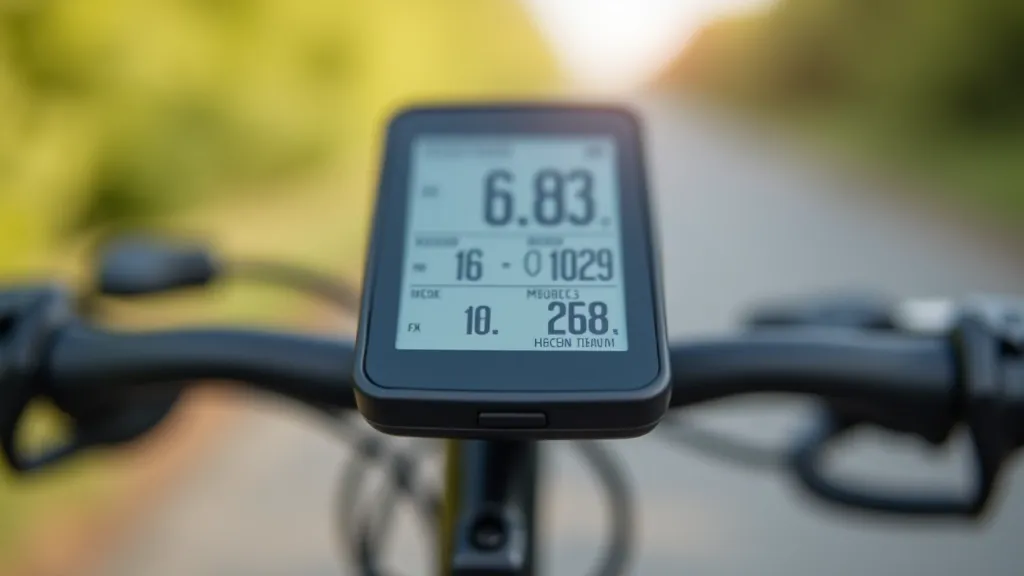
Here's a realistic schedule if you're starting at 15 kilometres. Adjust the starting distance based on your fitness level, but follow the same weekly increase pattern.
Ride 15km twice, then 18km once per week. You'll feel comfortable. Your goal: get used to the routine, not to challenge yourself yet.
Ride 15km twice, then 20km once. You might feel a slight burn in your legs on that long ride. That's normal. By week 4, the 20km should feel much easier than week 3.
Ride 18km twice, then 25km once. This is where you'll really notice improvements. You're covering distances that felt impossible two months ago.
Ride 18km twice, then 30km once. You've just doubled your starting distance. Take pride in that. Recovery matters now — make sure you're sleeping well.
Endurance training isn't complicated. You're not doing high-intensity intervals or track work. It's about consistent, sustainable effort over longer distances.
"The best endurance riders aren't the fastest — they're the ones who can keep going when others get tired."
On your long ride, go slow enough that you could have a conversation. If you're breathing so hard you can't speak, you're going too fast. This isn't a race. You'll build endurance faster if you're patient with pace.
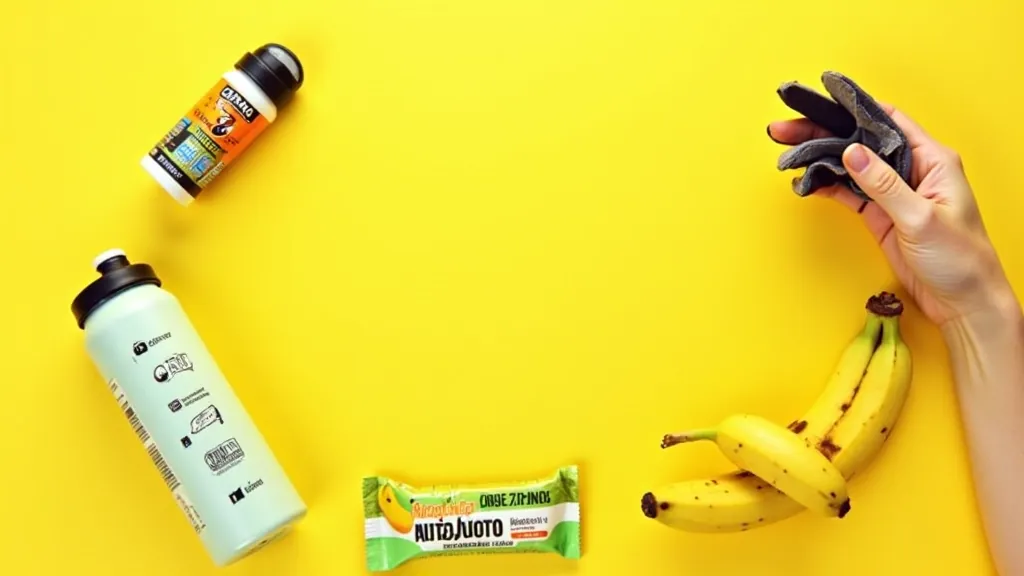
On rides under 90 minutes, water is fine. Beyond that, you'll want a snack — a banana, some energy bars, or dates work well. Stop at one of the Royal Canal rest areas, eat something, drink water, and keep moving. You're not in a rush.
The day after your long ride, either don't cycle or do a very easy 10km spin. Your muscles actually get stronger during recovery, not during the ride itself. Respect that process.
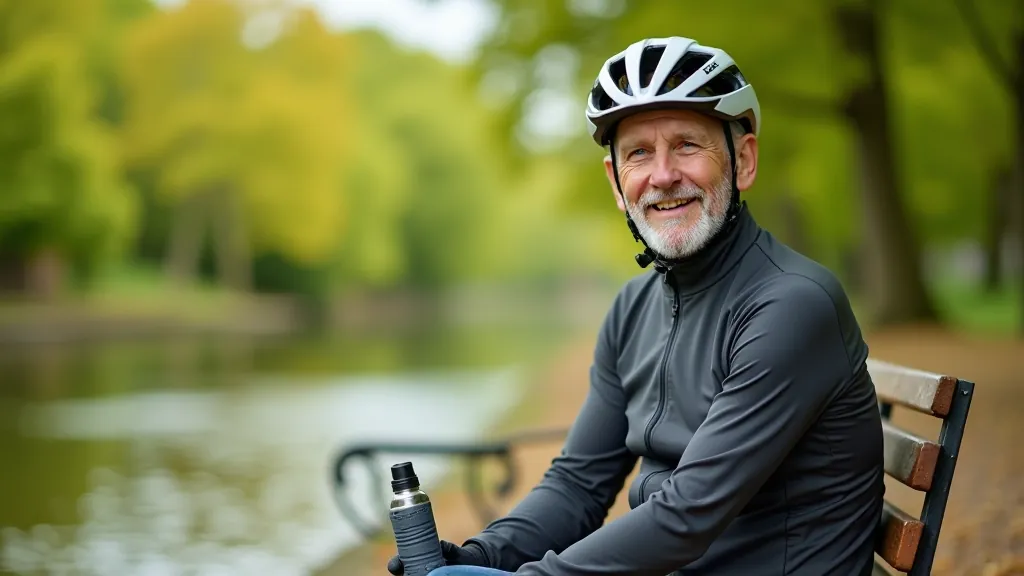
The biggest mistake is thinking "I did 20km, so next week I'll do 30km." Your body doesn't adapt that quickly. Stick to the 10% rule. You'll get to 30km, just not in one leap. Patience pays off.
Cycling five or six days a week sounds productive. It's actually counterproductive. Your legs need recovery time. Three quality rides per week beats five mediocre ones every time.
There's a difference between muscle fatigue (normal) and sharp pain (warning sign). Don't push through sharp pain. It usually means something's wrong. Take an extra rest day. See a doctor if it persists.
Long rides deplete your energy stores. You'll bonk (hit a wall) if you don't fuel properly. Carry water and a snack. You're not training for a race — comfort matters more than speed.
Building endurance takes commitment, but it's absolutely achievable. You're not training for a professional race. You're training to explore more of Ireland's beautiful cycling routes, to feel strong on your bike, and to enjoy the freedom that cycling gives you.
Start where you are. Follow a sensible plan. Be patient with yourself. In eight weeks, you'll be riding distances that seemed impossible today. That's how training works — not with sudden breakthroughs, but with steady, consistent progress.
The Royal Canal is waiting for you. Those longer rides along the towpath, stopping whenever you want, going as far as you want — that's all within reach. Build your endurance properly, and you'll get there feeling strong.
This article provides educational information about endurance training for recreational cycling. Individual fitness levels vary significantly. If you have existing health conditions, joint problems, or haven't exercised regularly, consult your doctor or a qualified fitness professional before starting any new training program. Listen to your body and adjust the plan to suit your personal circumstances. Pain is a signal — don't ignore it.