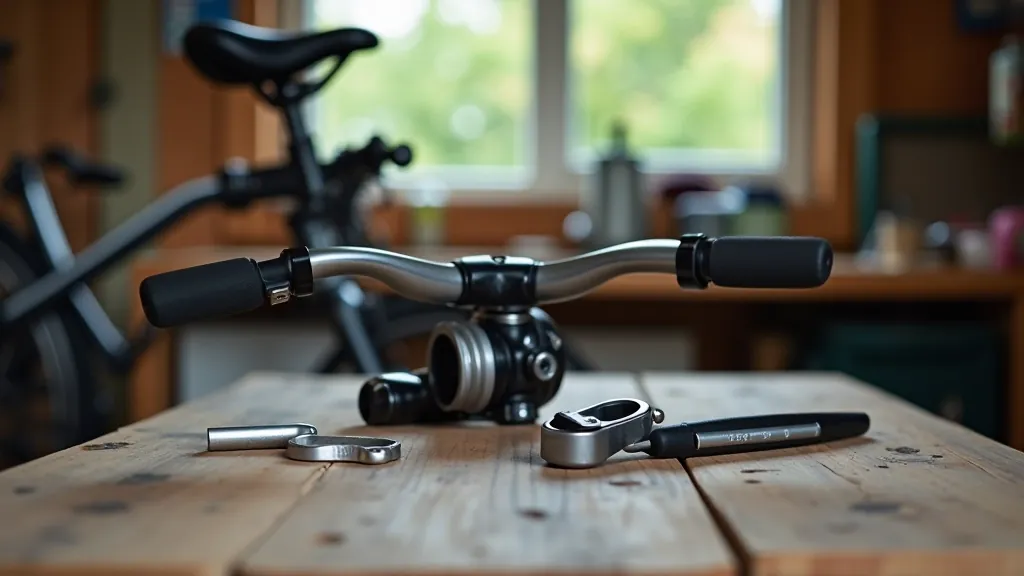
Bike Comfort Setup for Longer Rides
Proper saddle height, handlebar position, and seat adjustments make all the difference between comfort and pain on extended rides.
Read ArticleEssential preparation tips for seniors beginning their cycling journey. We'll cover bike setup, safety gear, and pacing yourself on flat terrain.
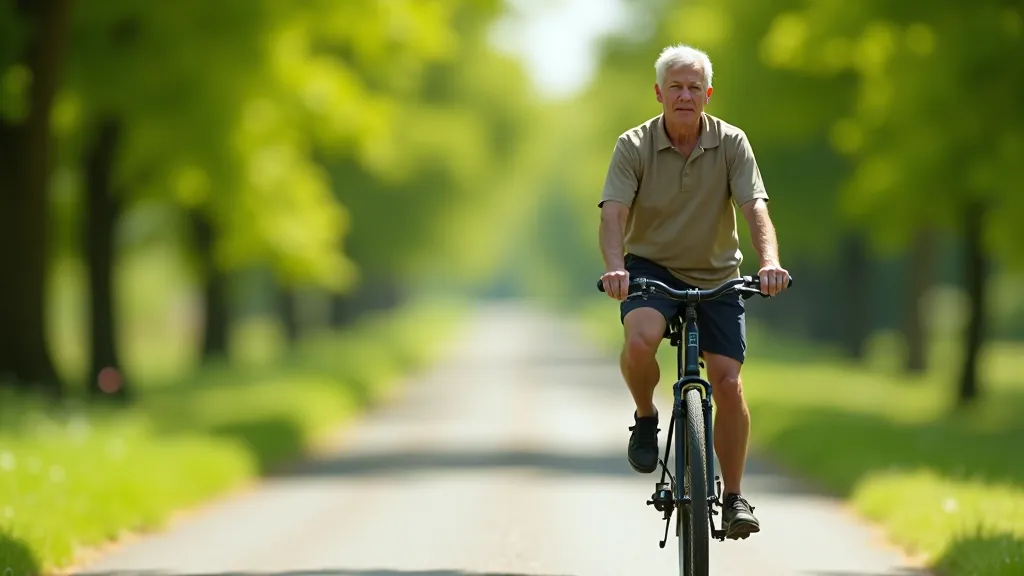
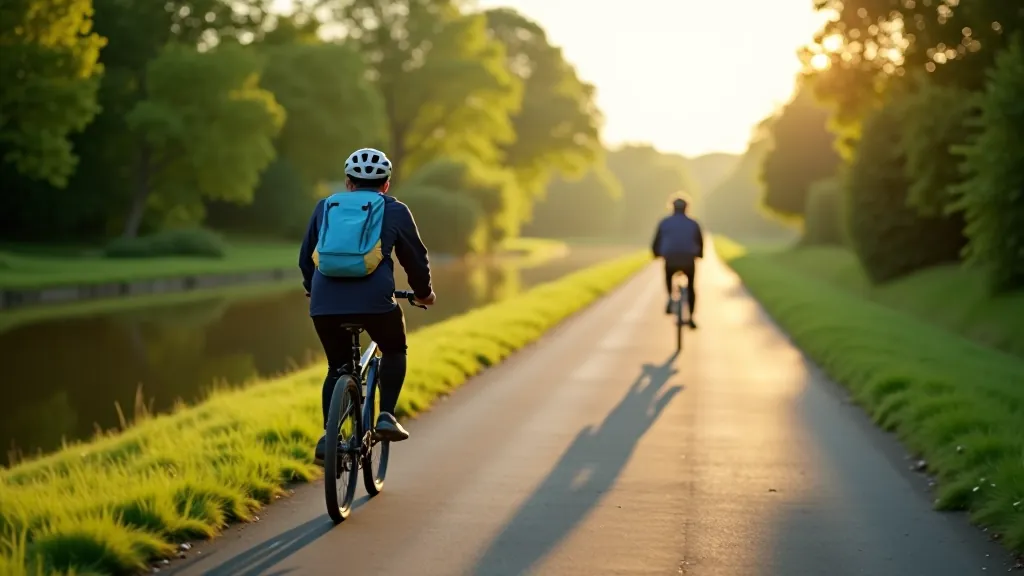
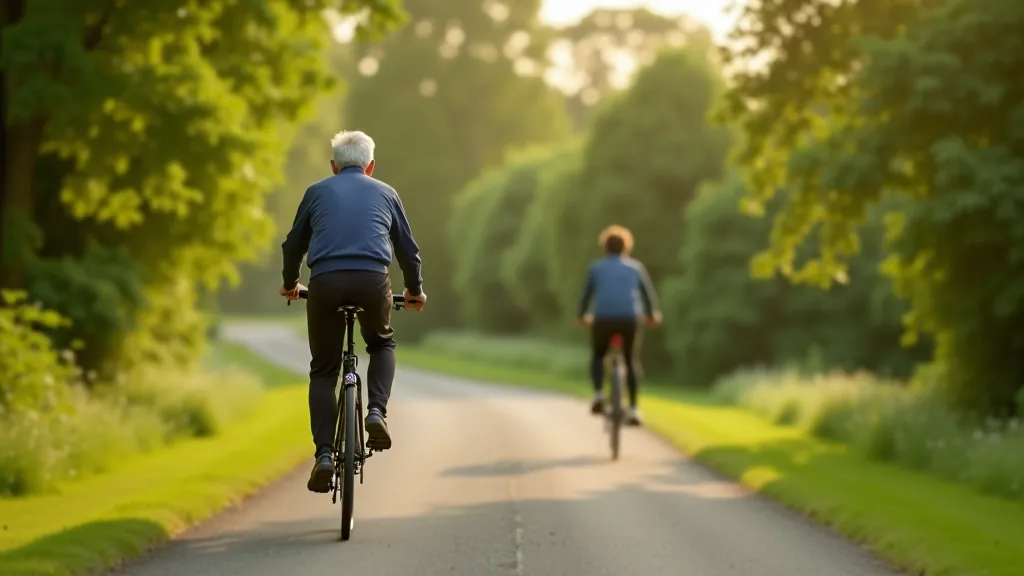
The Royal Canal Greenway isn't just another cycling path. It's flat, well-maintained, and designed with leisure riders in mind. You won't face steep climbs or technical sections — just smooth, quiet cycling through beautiful Dublin countryside. That's why it's become the go-to route for seniors getting back into cycling or starting completely fresh.
Before you head out, though, you'll want to get a few things right. Your bike needs basic adjustments. You need the right safety gear. And you've got to know how to pace yourself so you're not exhausted after five kilometers. We'll walk you through all of it.
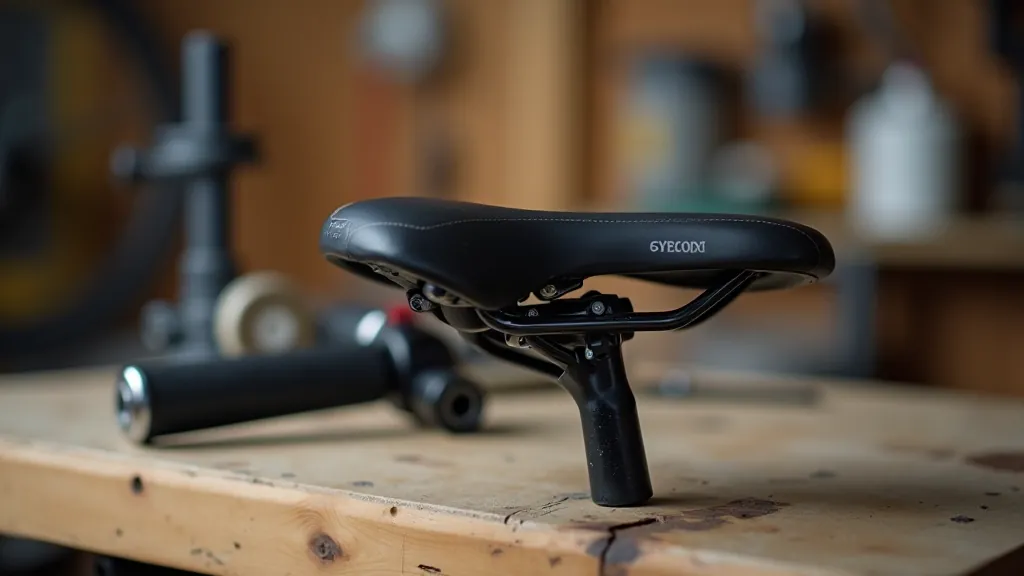
It's easy to overlook bike basics. But a properly adjusted bicycle makes the difference between a comfortable ride and one where your back, neck, and knees hurt. You don't need expensive components — you need things in the right position.
When you're sitting on the saddle with one pedal at its lowest point, your leg should have a slight bend — not locked straight, not cramped. If it's too low, you'll feel pressure on your knees. Too high, and you'll rock side to side.
Your handlebars shouldn't force you to stretch or hunch. You're looking for a position where your back is gently curved, not arched backward or bent forward at 90 degrees. Your wrists should be neutral.
Check your tire pressure before every ride. The correct range is printed on the side of your tire. Under-inflated tires make pedaling harder and can damage the rim. Over-inflated tires feel harsh on bumpy sections.
You'll hear a lot about cycling gear. Most of it is optional. But a few items make a genuine difference between a safe ride and a risky one.
Not negotiable. A fall from standing height can cause serious head injury. A proper helmet should sit level on your head, covering your forehead. Chin straps should be snug but not cutting off circulation.
Even if you're riding in daylight, a front white light and rear red light make you visible to other users. The Greenway sees pedestrians, dog walkers, and other cyclists. Lights take seconds to attach and cost less than a coffee.
Bright colors help. You don't need full cycling kit — just avoid dark grays and blacks. A high-visibility vest takes up almost no space in a backpack and clips on in seconds.
This is where most beginners go wrong. They're excited, the weather's nice, and suddenly they're pushing hard for fifteen kilometers. Then they're exhausted for three days.
Start smaller than you think you need to. Seriously. If you're not sure, start with 5 kilometers. That's about 20-30 minutes of relaxed cycling on the Greenway. You should be able to hold a conversation. If you're breathing hard and can't talk, you're going too fast.
5 km, twice weekly
Focus on getting comfortable on the bike, not distance.
8-10 km, twice weekly
Your body adapts quickly. You'll feel stronger already.
10-15 km, add a third session if you want
By now you've built a base. You can start exploring longer routes.
Even on short rides. A small bottle in a cage or backpack keeps you hydrated. Dehydration sneaks up and makes you feel worse than you actually are.
Just in case. You probably won't need it, but if something goes wrong, you'll be glad it's there. A simple phone holder attaches to your handlebars.
A light drizzle is fine on the Greenway. But strong wind or heavy rain can make things miserable. Pick days when conditions are decent for your first few rides.
The Greenway is straightforward, but it helps to know where you're going. Pick a landmark — a bridge, a rest area — as your turnaround point. You'll feel more confident.
Morning rides mean fewer other users, better light, and you're done before afternoon heat. You'll also sleep better that night.
Muscle soreness after the first ride is normal. Sharp pain isn't. If something hurts, stop and walk. There's no prize for pushing through genuine pain.
You're done riding, but your body's still working. The next 24 hours set you up for success on your next ride.
Have something with carbohydrates and protein within an hour. A banana with peanut butter, yogurt with granola, or a sandwich works fine. Your muscles use this to repair and adapt. It's not about eating a lot — just eating something sensible.
Mild soreness in your legs and backside is completely normal for the first week or two. It's called DOMS — delayed onset muscle soreness — and it means your muscles are adapting. Stretching helps. So does light activity like walking the next day.
Rest days are important too. You don't need to cycle every day when you're starting out. Three rides a week with at least one day between them gives your body time to adapt. You'll actually get stronger faster this way than if you tried to ride daily.
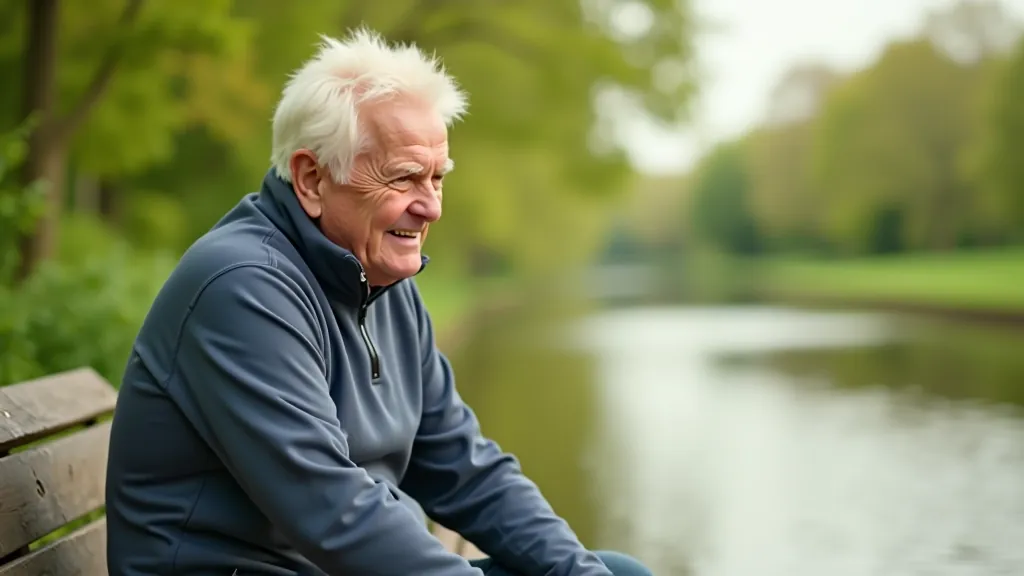
Getting started is the hardest part. Once you've done that first 5 kilometers, you'll realize it's not as intimidating as it seemed. The Greenway is smooth, peaceful, and perfect for building confidence. Your body will surprise you with how quickly it adapts. Within a month, you'll be riding distances you didn't think possible.
Start small, be patient with yourself, and focus on enjoying the ride rather than hitting specific numbers. That's the secret. And that's how you build a cycling habit that lasts.
This article provides general information and guidance for recreational cycling. It's not medical advice. Before starting any new physical activity, especially if you have existing health conditions, consult with your doctor or healthcare provider. Everyone's fitness level is different — adjust distances and intensity to suit your individual needs and abilities. Cycling on public paths requires awareness of other users and adherence to local traffic rules. Wear appropriate safety gear and ride responsibly.